Colour protect conditioner is a rinse-out conditioner designed for dyed or chemically processed hair that helps slow fading, keep tone looking fresher, and improve softness and shine without stripping color. The best formulas balance cuticle-smoothing conditioning agents with fade-fighting support like UV filters, toning pigments, or bond-building technology, matched to your hair’s porosity, damage level, and dye type.
Hair color fades for boring reasons: water swelling the hair fiber, heat roughing up the cuticle, sun exposure oxidizing dyes, and friction from brushing and towels. A color-safe conditioner can’t “lock in” color forever, but it can reduce the daily wear that makes color look dull fast.
Marketing makes this category noisy.
So we built this guide around what actually changes outcomes: the conditioning system (slip + cuticle sealing), the add-ons that matter (UV filters, toning pigments, bond tech), and the match between formula weight and your hair’s porosity. We’ll also call out which products make sense at different budgets, using pricing pulled from our merchant feeds.
If you want broader browsing beyond this single product type, start in our hair care hub. For non-color-specific hydration, our price pages for Moisturising & Nourishing Conditioners can help with comparison shopping—but the recommendations below stay strictly in color protect conditioners.
What colour protect conditioners actually do (and what they can’t)
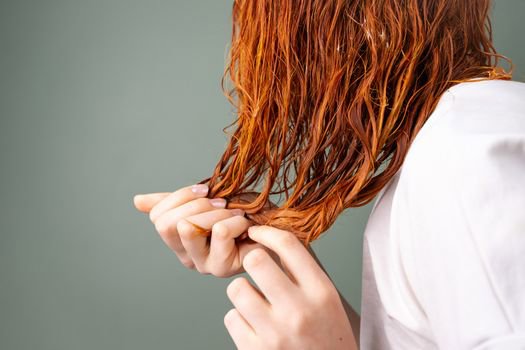
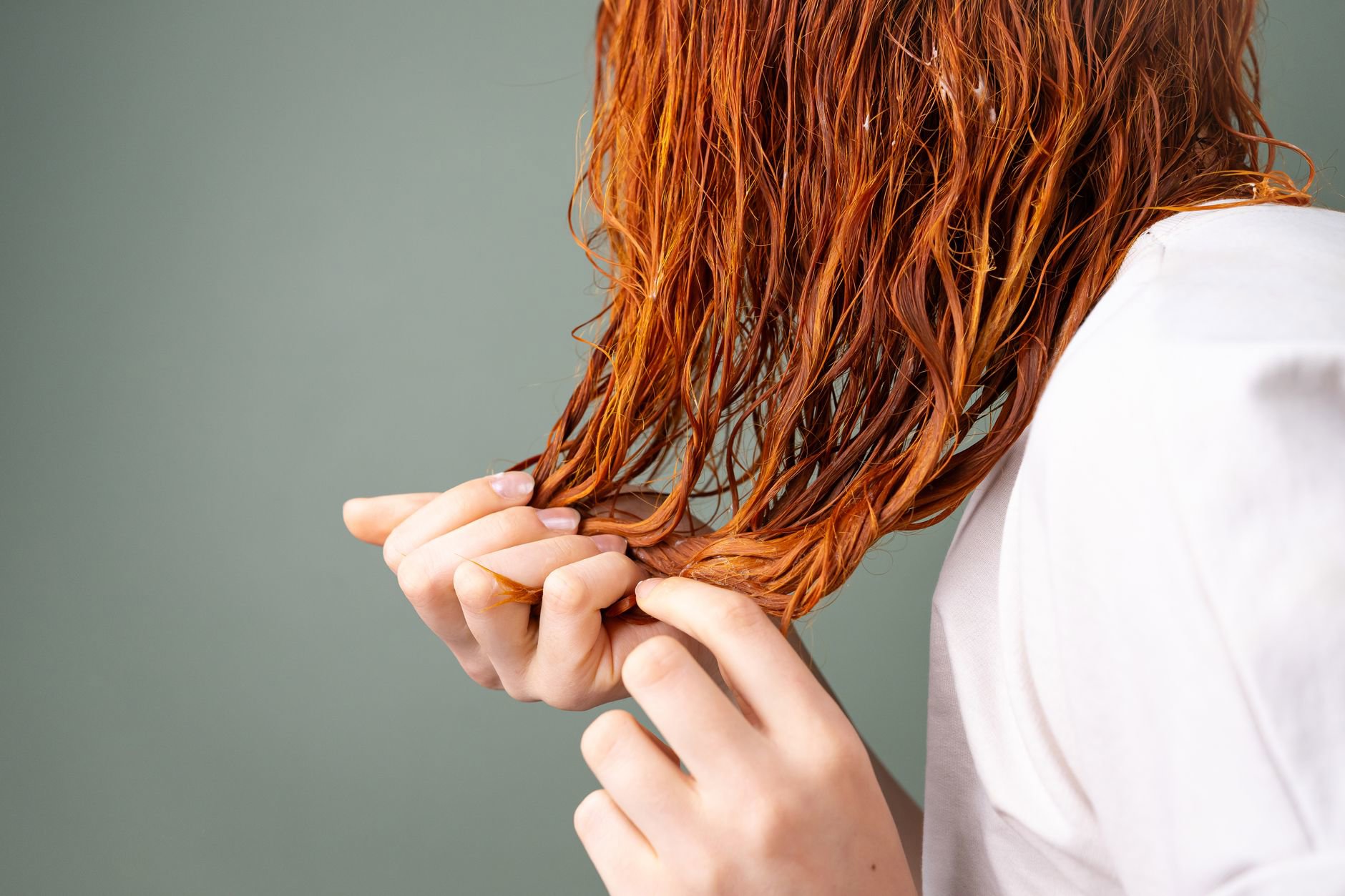
A dyed hair fiber behaves differently than virgin hair. Bleach, permanent color, and high-lift blonding raise the cuticle and increase porosity. More porosity means more water movement in and out, which speeds fading and makes hair feel rough.
A color protect conditioner helps in three practical ways: it improves detangling (less breakage), it smooths the cuticle (more shine and less friction), and it supports color longevity by reducing daily stressors like UV exposure and washing wear. Some formulas also add tone support for blondes or cool shades.
What it can’t do: reverse oxidative dye breakdown, fully stop brassiness, or repair every type of chemical damage in one step. If your hair feels fragile, you may need a dedicated routine that also includes masks (see our Hair Masks category for price comparisons), but keep your conditioner choice color-focused so you don’t accidentally overcoat fine hair.
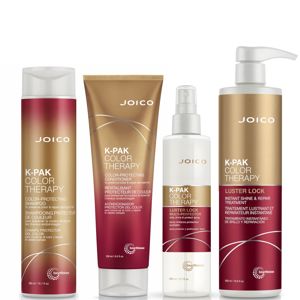
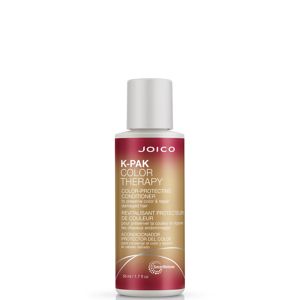
From our pricing database, the category spans true budget buys (like Joico K-Pak Color Therapy Conditioner, from $7.82) to prestige options (like Philip Kingsley Pure Colour Reviving Conditioner, from $31.75). Paying more often buys nicer feel and targeted add-ons, not magic fade-proofing.
Claims that matter: UV filters, cuticle sealing, and “sulfate-free compatibility”
When we scan product copy across retailers, three claims show up over and over: UV protection, “color sealing,” and “safe for color-treated hair.” Here’s how to interpret those claims without getting played.
UV filters: Useful if you spend time outdoors or live in high-sun regions. UV doesn’t just lighten hair; it can shift tone and dull shine. A clear example sits in KMS Color Vitality Conditioner (from $21.16), which lists an innovative UV filter and an AHA Structure Complex while staying weightless and color-preserving. Sachajuan Colour Protect Conditioner (from $16.00) also calls out an additional water resistant UV shield alongside Ocean Silk Technology.
Cuticle sealing / smoothing: This is the core. Conditioners rely on conditioning agents that add slip and help lay the cuticle down after washing. You see this described as “seals the cuticle” in R+Co Bleu Primary Color Conditioner (from $11.00), which also positions itself around fighting fade and supporting shine and strength.
“Sulfate-free” in a conditioner: Conditioners don’t typically contain sulfates, since sulfates act as detergents. What matters is whether the conditioner plays well with your shampoo choice. If you use a gentle, color-safe cleanser, a heavily coating conditioner can build up faster. If you use a stronger shampoo, you may need more smoothing and detangling support after.
One more claim we take seriously: sensitive-scalp suitability. Fragrance and dyes can irritate some scalps, which can lead to more frequent washing or scratching—both bad for color. Philip Kingsley No Scent No Colour Conditioner (from $16.35) stays free of color, parabens, and scent, and it targets easily irritated scalps while keeping hair softer and smoother.
Ingredient logic without the chemistry lecture: silicones, acids, pigments, and bond tech
You don’t need to memorize INCI lists to choose well. You do need to know what each “family” of ingredients does on dyed hair, because the wrong match can make color look flatter or hair feel heavy.
Silicones (and similar smoothing agents): These help with slip, shine, and frizz control by smoothing the surface. That smoother surface reduces friction, which reduces micro-breakage and roughness that makes color look dull. If your hair is very fine or low-porosity, too much coating can make it limp. In that case, prioritize “weightless” claims like the ones in KMS Color Vitality.
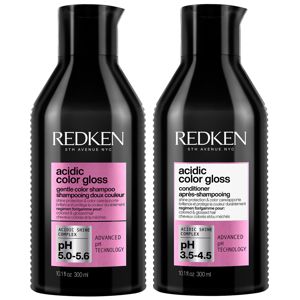
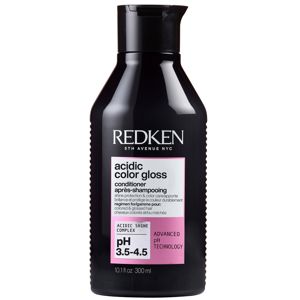
Acids and pH support: Color looks best when the cuticle sits flatter. Acidic systems can support that smoother feel. The most direct example in this list comes from Redken Acidic Color Gloss Conditioner For Colour Protection, Glass-Like Shine For Colour Treated Hair (from $32.20), which is part of a routine positioned around color longevity and “glass-like shine.” We avoid guessing the exact acids used, but the product’s positioning aligns with that cuticle-smoothing, shine-forward goal.
Depositing pigments (tone maintenance): If you’re blonde, silver, or cool-toned, pigment maintenance matters as much as fade protection. Olaplex No. 5P Blonde Enhancer™ Toning Conditioner (from $19.20) delivers even, all-over toning and brightness while hydrating without weighing down roots. It also includes patented OLAPLEX Bond Building Technology™. That matters if your blonde comes with damage.
Bond builders / damage support: If you bleach or highlight, you often need more than surface conditioning. Bond-building claims aim to support hair strength, which reduces breakage that makes ends look frayed and color look uneven. Olaplex No. 5P sits squarely in this camp, and Bleach London Reincarnation Conditioner (from $5.65) targets bleached and color-treated hair and claims it reduces the appearance of breakage by 68%.
Match your conditioner to dye type and tone goals
Not all “color-treated” hair needs the same support. Your dye type changes what you should prioritize: tone maintenance, softness, or strength.
Cool blondes, platinum, and highlights: Choose a conditioner that tones while conditioning, so you don’t need separate steps as often. Olaplex No. 5P Blonde Enhancer™ Toning Conditioner (from $19.20) targets fragile blondes with smoothing hydration and even toning. If you want blonde-specific “color lock” positioning, Fudge All Blonde Colour Lock Conditioner (from $14.50) supports vibrancy across blonde shades and includes lemon extract.
Brunettes and reds (fade-prone shades): Reds fade fastest for many people, and brunettes can go flat and warm. Here, prioritize high slip + cuticle sealing so color looks richer for longer. R+Co Bleu Primary Color Conditioner (from $11.00) focuses on fighting fade, sealing the cuticle, and adding strength to help maintain vibrancy across shades.
Bleached fashion colors: Bright shades often sit on porous hair, so damage support matters as much as pigment. Bleach London Reincarnation Conditioner (from $5.65) targets bleached and color-treated hair with a breakage-focused claim. If your color also needs tone correction (like icy pastels), pair that “repair feel” approach with a toning conditioner like Olaplex No. 5P, but rotate to avoid over-toning.
If your “color” equals sensitivity: Some people react to fragrance or dyes. In that case, Philip Kingsley No Scent No Colour Conditioner (from $16.35) keeps the formula free of color and scent while staying lightweight and smoothing.
Use porosity and damage level to pick the right weight
Porosity decides how fast water moves through your hair. That movement drives frizz, tangles, and fading. You can’t choose well without considering it.
Low porosity (hair resists water, gets product buildup easily): Look for weightless conditioning and shine without heaviness. KMS Color Vitality Conditioner (from $21.16) positions itself as weightless while moisturizing and color-preserving, with an AHA Structure Complex and UV filter. That “light but effective” lane tends to work better than ultra-rich coatings for low-porosity hair.
Medium porosity (most dyed hair): You have flexibility. This is where classic “color therapy” conditioners make sense. Joico K-Pak Color Therapy Conditioner (from $7.82) focuses on detangling and preserving color with a thick, creamy texture and strengthening nutrients. It also targets ß-layer replenishment, which signals a repair-and-protect positioning for processed hair.
High porosity (bleach, repeated coloring, heat damage): Choose richer formulas that prioritize softness, detangling, and breakage reduction. Bleach London Reincarnation Conditioner (from $5.65) targets this profile directly. If you want a more “tailored” premium option, Philip Kingsley Pure Colour Reviving Conditioner (from $31.75) targets dyed and chemically processed hair and includes betaine to help lock in moisture.
One quick self-check: if your ends tangle after rinsing, you likely need more slip. If your roots look flat within a day, you likely need a lighter conditioner or a different application method.
Product picks by priority (with price reality checks)
Choosing gets easier when you decide what you need most: toning, UV support, scalp comfort, or repair feel. Below are strong category examples, all from our tracked product set, with “from” prices as listed in our feeds.
- Best for toning + damage-prone blonde: Olaplex No. 5P Blonde Enhancer™ Toning Conditioner (from $19.20). Even toning, brightness, smoothing hydration, and Bond Building Technology™.
- Best for UV-exposed hair: Sachajuan Colour Protect Conditioner (from $16.00) with a water resistant UV shield, or KMS Color Vitality Conditioner (from $21.16) with a UV filter and “weightless” feel.
- Best budget repair-leaning option for bleached hair: Bleach London Reincarnation Conditioner (from $5.65), developed for bleached and color-treated hair with a breakage-reduction claim.
- Best value for creamy slip + classic color support: Joico K-Pak Color Therapy Conditioner (from $7.82), thick and creamy with detangling and color-preserving positioning.
- Best for sensitive scalps: Philip Kingsley No Scent No Colour Conditioner (from $16.35), free of color, parabens, and scent.
- Best “shine-first” splurge: Redken Acidic Color Gloss Conditioner For Colour Protection, Glass-Like Shine For Colour Treated Hair (from $32.20), part of a color-focused glossing routine.
- Best for fade-fighting + cuticle sealing: R+Co Bleu Primary Color Conditioner (from $11.00), positioned around locking in color, sealing the cuticle, detangling, and strengthening to help prevent breakage.
Where to buy depends on brand tier and distribution. Prestige options often show up at Sephora, Ulta, or Nordstrom, while value picks may appear on Amazon or mass channels. The practical move: watch price swings and size variants. Our tracking often shows “from” prices tied to smaller sizes or promos, so compare price per ounce before committing.
If you also shop adjacent categories on GlamGeek—like makeup staples or skin care—treat hair the same way: pick one primary goal per product. Don’t demand that your conditioner also do the job of three other categories.
How to apply colour protect conditioner for better results
Application changes performance more than most people expect. The same bottle can feel heavy or perfect depending on where you apply it and how well you rinse.
Step 1: Squeeze out water first. Water dilutes conditioner and makes it slide off fast. After rinsing shampoo, press water out of lengths with your hands.
Step 2: Apply mids-to-ends first. Ends fade fastest and need the most slip. Keep conditioner off the scalp unless the product targets scalp sensitivity, like Philip Kingsley No Scent No Colour.
Step 3: Use enough product to detangle. If you can’t comb through with fingers, you likely need more. Thick, creamy textures like Joico K-Pak Color Therapy can help here.
Step 4: Time it. For toning conditioners like Olaplex No. 5P, follow the brand’s directions and don’t assume longer equals better. Over-toning can leave hair looking dull or slightly tinted, especially on porous ends.
Step 5: Rinse strategically. Fine hair often does better with a thorough rinse. Coarse or very dry hair can leave a faint residue on ends for more softness, but stop if hair looks coated.
If your routine includes other product types, keep the order simple: shampoo, conditioner, then leave-ins. For shampoo browsing, our Moisturising & Nourishing Shampoos pages can help you compare pricing, but the conditioner you choose should still match your dye and damage profile.
Practical tips you can use today (to make color last longer)
Use cooler water than you think you need. Hot water swells hair and lifts the cuticle, which speeds fading. Even dropping the final rinse temperature helps.
Reduce friction. Swap rough towel rubbing for squeezing and blotting, and detangle with conditioner in. A conditioner that seals and detangles—like R+Co Bleu Primary Color Conditioner or Joico K-Pak Color Therapy—supports this by reducing snagging.
Rotate based on your week. Many people do well with a “daily driver” color protect conditioner plus a weekly tone-support option if they’re blonde. That can mean using KMS Color Vitality most washes, then Olaplex No. 5P when brassiness shows up.
Finally: don’t chase every claim at once. Choose two priorities—like UV support and weightless feel, or toning and bond support—and buy accordingly.
Colour Protect Conditioner FAQ
Do colour protect conditioners really prevent fading?
Colour protect conditioners can slow fading by reducing friction, improving detangling, and smoothing the cuticle so hair looks shinier and less rough. Some add UV filters or tone support, which helps maintain vibrancy. They can’t fully stop dye oxidation or wash-out, but they can extend the “fresh color” look between appointments.
Which ingredients should we look for in a colour protect conditioner?
Look for strong conditioning systems that add slip and smooth the cuticle, plus targeted add-ons that match your needs. UV filters help with sun-related dullness (as seen in KMS Color Vitality), toning pigments help blondes stay cooler (Olaplex No. 5P), and bond-building technology can support fragile, processed hair.
Is a purple conditioner the same as a colour protect conditioner?
A purple toning conditioner can be a colour protect conditioner if it also conditions and supports color longevity, but its main job stays tone correction. For example, Olaplex No. 5P focuses on even toning and brightness while hydrating and smoothing. Many people rotate toning formulas rather than using them every wash.
How do we choose a conditioner for high-porosity, bleached hair?
High-porosity hair usually needs richer conditioning, strong detangling, and breakage-focused support because porous ends rough up fast. Bleach London Reincarnation Conditioner targets bleached and color-treated hair and includes a breakage-reduction claim. If you also need tone, add a toning conditioner like Olaplex No. 5P on a rotation.
Can sensitive scalps use colour protect conditioner safely?
Yes, but it helps to pick formulas designed for sensitivity and avoid common triggers like added fragrance or dyes if you react to them. Philip Kingsley No Scent No Colour Conditioner stays free of color and scent and targets easily irritated scalps while keeping hair feeling softer and smoother, which can reduce the urge to overwash.