Beauty media keeps asking the same question in a hundred outfits: why spend $300 on a serum when something under $35 looks “just as good”? Our take, after tracking US beauty pricing since 2010: the answer isn’t a vibe. It’s product category math.
Across our merchant feed this week, the split looks sharp. Some prestige items sit at true 12‑month lows, like Clé de Peau Beauté La Crème at $645.90 at lookfantastic. At the same time, a top-rated sunscreen serum from The Ordinary sits at $13.80 at lookfantastic. Those two numbers can coexist without implying either one is “wrong.”
What matters is where drugstore formulas can genuinely match outcomes (and where they usually can’t), plus how to shop US retailers without paying full price out of habit.
Why we’re taking the data-led angle (and why it’s more useful)
The headlines this year lean generic: “affordable dupes,” “drugstore swaps,” “under-$35 serums.” They reflect real consumer behavior, but they rarely tell you where to save without losing results. That’s where price intelligence helps.
Our price tracker pulls current pricing across major merchants, and we watch the pattern: prestige skin care often discounts in predictable windows, while drugstore pricing fluctuates through smaller promos and multipack deals. If you only remember “drugstore good” or “luxury better,” you’ll overpay in both directions.
We also see a practical reality in US shopping: Target and CVS stock different tiers than Sephora and Bluemercury, and that shapes what “affordable” even means. A $13.80 SPF serum (The Ordinary) lives in a different decision lane than a $645.90 cream (Clé de Peau), and neither lane should be judged by the other’s rules.
This guide breaks spending into the categories that drive results: sunscreen, retinoids, moisturizers, masks, and tools/brushes. We’ll call out when ingredients make products comparable, and when the formula details usually separate them.
The rule we use: pay for formulas, not for categories
Skincare marketing sells categories: “serum,” “night cream,” “mask.” Skin responds to formula performance: stability, delivery system, irritation profile, and consistent use. That’s why a low-priced product can outperform an expensive one in the same category.
Here’s the spending framework we’d use if we had to simplify it:
- Pay for sunscreen feel if texture stops you from wearing it daily. If you skip SPF because it pills or stings, the “better deal” costs more in the long run.
- Pay for low-irritation retinoid design if you’ve struggled with dryness or flaking. The best retinoid is the one you can keep using.
- Save on rinse-off steps (cleansers, basic body wash) unless you need specialty benefits.
- Be skeptical of $200+ “hydration” claims when the ingredient list reads like standard emollients. Sometimes you’re paying for texture and branding, not a new outcome.
- Pay for proven actives (retinoids, certain acids, vitamin C forms, sunscreen filters) when they’re formulated for stability and comfort.
If you like to browse by product type, GlamGeek’s category pages can help you compare by function, like Anti Ageing Face Serums or SPF Protection Products, then sanity-check pricing across retailers.
Now, let’s get specific.
Where drugstore wins most often: SPF and “daily basics”
Daily basics win on repeat purchasing. When a product runs out every 4–8 weeks, price matters more than prestige storytelling.
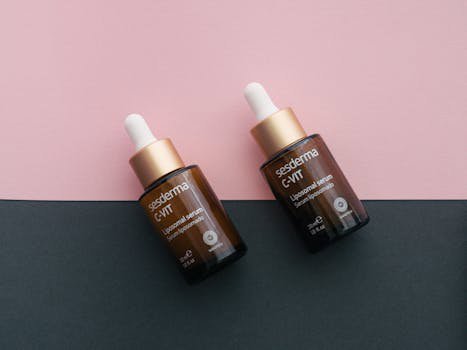
SPF sits at the top of that list because daily use beats “perfect” use. This week, our feed shows The Ordinary UV Filters SPF 45 Sun Protection Serum at $13.80 at lookfantastic, with a tracked rating of 5.0/5. That’s the kind of price-to-compliance ratio we like: if you can afford to apply enough and reapply, you’re more likely to stick with it.
When would we still spend more on sunscreen? Usually for elegance: a finish that works under makeup, no eye sting, no pilling with your Day Face Moisturisers, and a feel that suits your climate. Humid regions often demand lighter textures; dry climates often need more cushion. A “cheap” SPF that you hate becomes expensive the moment it sits in a drawer.
Other daily basics where drugstore often holds its own:
- Gentle cleansers (especially if you wear light makeup).
- Body moisturizers for normal dryness, since you’ll use a lot.
- Simple shampoos and conditioners when your hair doesn’t need targeted repair—browse options like Moisturising & Nourishing Shampoos and compare by ounce.
- Accessory tools you replace frequently (clips, sponges).
One small but real example from our feed: brushworks No Crease Sectioning Hair Clips are $10.93 at lookfantastic (rated 5.0/5). That’s not skin care, but it shows the pattern: basics don’t need luxury pricing to function well.
Retinoids and “active overload”: when to spend more, when to step back
Retinoids deserve their own budget logic because they sit at the intersection of results and irritation. Many of the “drugstore retinol surprised me” headlines also mention dryness, flaking, or “bumpy” texture. That tracks with what dermatology guidance repeats: tolerability drives consistency.
If you want an affordable starting point, our merchant feed lists Revolution Retinol Overnight Cream at $17.00 at Revolution Beauty, with a tracked rating of 5.0/5. For a lot of women, that price makes it easier to start slow and stay calm about switching if your skin reacts.
We also want to underline a point that gets lost in “hero ingredient” content: more actives don’t mean faster progress. If you run retinol, strong acids, and vitamin C daily, you often end up chasing irritation with heavier creams. The “results” become hard to attribute.
A practical, low-drama retinoid plan looks like this:
- Weeks 1–2: retinoid 2 nights per week, buffer with moisturizer first if you tend to get dry.
- Weeks 3–4: increase to 3 nights per week if calm.
- After week 4: only then consider alternating nights.
- Always: SPF every morning. Retinoids and sun negligence do not mix.
When do we support spending more? If you have a history of irritation, or you want a more sophisticated delivery system. Luxury sometimes buys a better texture and a gentler feel, which can keep you using it. But don’t assume price equals potency. Look for clear labeling and routine fit, not just claims.
Moisturizers: the “expensive comfort” category (and how to shop it)
Moisturizers look simple. They rarely are. Texture engineering costs money, and luxury brands often deliver the most cosmetically elegant feel. That’s real value if it changes how consistently you moisturize.
This week’s price data shows two extreme examples at 12‑month lows: Clé de Peau Beauté La Crème at $645.90 at lookfantastic, and 111SKIN Celestial Black Diamond Emulsion at $287.50 at lookfantastic. Those prices don’t make sense for every budget. They also don’t automatically make sense for every skin type.
So how do we judge “worth it” in moisturizers?
- If your barrier stays stable with drugstore creams, save your money and keep your routine consistent.
- If you live in a dry climate and your skin stays tight even with layers, paying for a richer, more comfortable formula can reduce your temptation to over-exfoliate.
- If you break out easily, a high price does not protect you from clogged pores. Patch test and track.
- If you wear makeup daily, you may pay for a moisturizer that plays nicely under primer and foundation.
If you like browsing by function, compare textures and claims inside categories like Night Face Moisturisers and keep an eye on retailer cycles. Sephora and Nordstrom tend to discount less often; lookfantastic and Dermstore run more frequent promos. Ulta’s seasonal events can make mid-tier moisturizers more attractive when points stack.
Our skeptical note: if a moisturizer’s big promise reads like “plumper, lifted, renewed” with no clear active story, you’re often paying for feel. Feel matters, but it’s not magic.
Masks and “spa at home”: when a splurge actually makes sense
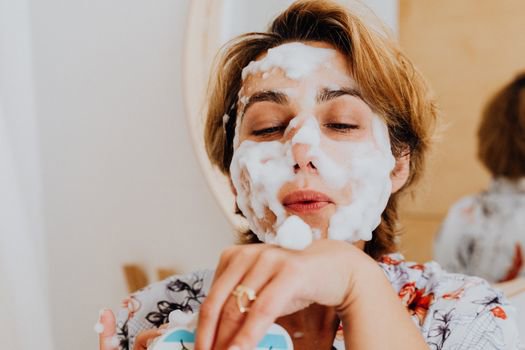
Masks sit in a strange place. Many deliver temporary softness and glow, which can feel satisfying. Few change your skin long-term unless they function like an active treatment or support the barrier.
Still, our data shows a classic splurge opportunity: Valmont Regenerating Mask Treatment is $170.00 at Dermstore, currently its lowest in 12 months. If you already know you like this kind of rich, comforting mask, the timing matters more than debating whether any mask “should” cost that much.
Here’s how we’d think about masks before spending:
- Barrier-support masks can make sense if you use retinoids or live in extreme climates (very dry heat, cold winters, heavy AC).
- Clay masks can help oil control, but overuse often worsens dehydration. Keep them targeted, not full-face every time.
- Sheet masks mostly hydrate temporarily. Treat them like a boost, not skin care “progress.”
- Exfoliating masks can replace separate exfoliant steps, but they also raise the risk of overdoing acids.
If you shop masks by category, browse Face Masks and watch for price compression. We often see prestige masks drop hardest around big promo periods, while drugstore masks rarely get deep percentage discounts.
One more caution: don’t pair an exfoliating mask with a retinoid night and then blame your moisturizer when you peel.
Tools, brushes, and the hidden “value” metric: performance per year
Beauty tools rarely get included in the drugstore vs high-end conversation, but they should. A good brush can make affordable makeup look more expensive. A bad brush can make premium foundation look patchy.
Our tracker flags a standout basic: the NYX Pro Multi-Purpose Buffing Brush at $16.10 at lookfantastic, with a 5.0/5 rating. If you use liquid base products, buffing brushes often give you more control than a sponge, and they waste less product over time.
We like to judge brushes with “performance per year”:
- Washability: bristles that hold up after regular cleaning.
- Density: enough to blend without dragging.
- Shape match: flat-top buffing for base, fluffy for powder, smaller domes for concealer.
- Replacement cycle: cheaper tools can still win if they last and stay hygienic.
If you want to compare by category, start with Makeup Brushes & Applicators. Then buy one brush that fixes your biggest daily frustration, not five that duplicate the same job.
Tools also influence skin care. The more friction you create (rough cleansing cloths, harsh scrubbing devices), the more you’ll feel like you need expensive barrier repair after.
How to shop US retailers without paying the “convenience tax”
Most overspending happens because of timing, not because a woman “doesn’t know better.” You run out, you replace it fast, you pay full price. Retailers count on that.
We see a few consistent patterns in US shopping behavior:
- Sephora: best for shade matching and sampling; less frequent deep discounts outside major events.
- Ulta: points and targeted promos can beat headline discounts, especially when you stick to staples.
- Target/CVS/Walgreens: great for quick replenishment and drugstore basics; watch for buy-one deals that inflate unit price.
- Nordstrom/Bluemercury: strong service and curated brands; discounts vary and often feel less predictable.
- Dermstore/lookfantastic: frequent promos; our feed often captures meaningful lows there, like Valmont at $170.00 and Clé de Peau at $645.90.
The simple strategy: keep a “refill list” and buy your repeat items during predictable promo windows. Even if you don’t time it perfectly, you can avoid paying full price on the categories you repurchase most.
Also: don’t chase dupes blindly. If a lower-priced product matches the type but triggers breakouts or stinging, it isn’t a deal. A deal has to work on your face.
What this means for your routine (and your budget)
If you only remember one thing, make it this: drugstore vs high-end isn’t a moral debate. It’s a category-by-category decision based on wearability, irritation, and repurchase rate.
Our practical takeaways based on this week’s pricing data:
- Save without apology on SPF if you’ll wear it daily; The Ordinary UV Filters SPF 45 Serum at $13.80 is a strong “wear enough” price point.
- Start retinol economically if you’re building tolerance; Revolution Retinol Overnight Cream at $17.00 supports a slow ramp-up.
- Splurge strategically when a prestige formula hits a true low; Valmont at $170.00 and 111SKIN at $287.50 represent that “buy on the dip” moment for women already interested in those tiers.
- Upgrade one tool that improves daily results; the NYX buffing brush at $16.10 can change how your base makeup sits.
That’s how you build a routine that looks expensive where it counts, and stays affordable where it doesn’t.
Which category do you overspend on most: moisturizers, serums, or “extras” like masks and tools—and what would you swap first if the goal was better results per dollar?